Listen: Sue McDonough, a retired trooper and animal cruelty expert
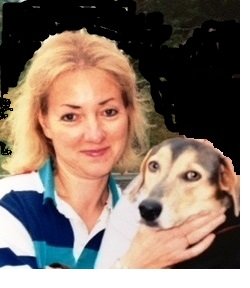
Sue McDonough is pictured with her beloved dog, Max, who has since died.
Sue McDonough began her career as a New York State Trooper in 1978, specializing in animal cruelty cases. McDonough worked as a wildlife rehabilitator for 15 years and believes wild animals are better protected — in a program where rehabilitators are licensed and their facilities inspected — than domestic animals. She is now associated with the New York State Humane Association. Since the state’s laws protecting domestic animals like cats and dogs are not part of the penal code, but rather come under Agriculture and Market Law, McDonough believes many police officers are not well versed in enforcing the law. She has worked with district attorneys, veterinarians, and police officers throughout the state to put together a training manual for police, which can be downloaded from the NYS Humane Association website. In this week’s podcast, at AltamontEnterprise.com/podcasts, she talks about the links between animal abuse and human violence and describes some of the crimes she has encountered. “We have an obligation to see that animals don’t suffer,” McDonough says. “We can’t save every animal.” She also says, “We all need to work together.”