Health commissioner says second doses cannot be used as first doses
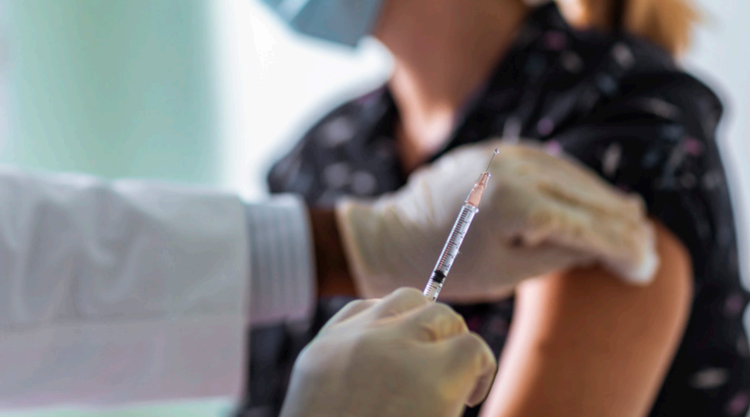
New York City’s Mayor, Bill de Blasio, requested on Wednesday that the city be allowed to administer second COVID-19 vaccine doses as first doses.
On Thursday, the state’s health commissioner, Howard Zucker, denied that request, citing guidance from the Centers for Disease Control and Prevention.
Throughout New York State, including sites in Albany County, residents, when they sign up for a vaccine, are given a second appointment for a second dose after the first.
Both of the vaccines — from Moderna and from Pfizer and BioNTech — approved for emergency use by the federal government require two shots several weeks apart to be fully effective.
In his Feb. 4 letter to de Blasio, Zucker noted that national and international health experts are discussing the use of second doses as first doses.
Some experts, Zucker noted, advocate doing so, to reach more people, as long as there is “a federally secured increase in vaccine production” to meet the additional demands. Other experts adamantly oppose the practice because “they believe there is inadequate production to manage the surge it would create,” Zucker wrote.
He went on, “There is even a school of thought that suggests the delay between first doses and second doses has given rise to the viral variant strains that have surfaced.”
The state is “definitively” following CDC guidance, Zucker said, adding, “The CDC has information that we do not have. The CDC has intimate knowledge of the future vaccine production schedule as it is federally controlled and their opinion is informed by national and international medical professionals researching the virus.”
Governor Andrew Cuomo has said that, if the CDC does recommend using second doses as first doses, New York State will do so.
Zucker concluded by referencing the “public anxiety” that could be created by delaying already-scheduled second shots and wrote, “As you know the vaccination process and supply has not instilled a high level of public confidence. Even postponing appointments due to the recent snow storm caused concern, I believe it is important that all scheduled appointments be honored.”
Zucker asked “New York City and all other local jurisdictions to continue their focus on vaccinating their 1B essential workforce and priority hospital workers and addressing the low performing hospitals,” which he wrote will be essential if a variant strain of COVID-19 were to make hospital capacity a “pressing issue” again.